
The Complete Guide to Sheep Shearing for Kenyan Farmers: Keep Your Flock Healthy and Profitable
If you’re a sheep farmer in Narok, Kajiado, Laikipia, Nyandarua, Nakuru, Meru or any livestock farming region in Kenya, you know that keeping your flock healthy is the foundation of a profitable farming business. One of the most important but often overlooked practices is regular sheep shearing.Whether you manage 10 sheep or 500, proper shearing isn’t just about collecting wool, it’s about animal welfare, disease prevention and maximizing your returns. In this guide, we’ll show you exactly why shearing matters in Kenya’s climate, how to do it correctly and how modern electric clippers can transform your shearing experience.
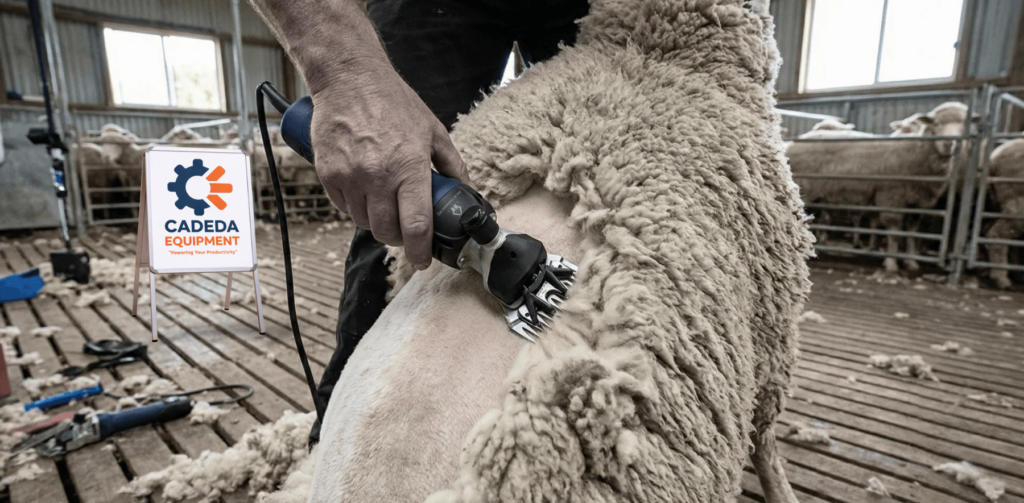
𝐖𝐡𝐲 𝐒𝐡𝐞𝐞𝐩 𝐒𝐡𝐞𝐚𝐫𝐢𝐧𝐠 𝐢𝐬 𝐂𝐫𝐢𝐭𝐢𝐜𝐚𝐥 𝐟𝐨𝐫 𝐊𝐞𝐧𝐲𝐚𝐧 𝐅𝐚𝐫𝐦𝐞𝐫𝐬 1. Helps Sheep Stay Cool During Hot WeatherKenya’s climate can be harsh, especially during the dry seasons when temperatures soar. Sheep with thick, unsheared wool suffer from heat stress, which reduces their appetite, slows growth and lowers productivity. Regular shearing helps your sheep stay comfortable and productive even during the hottest months.
2. Reduces Ticks, Lice and Skin Thick wool creates the perfect breeding ground for ticks, lice and other parasites. These pests not only irritate your sheep but also spread diseases that can devastate your flock. Shearing removes their hiding places and makes it much easier to spot and treat infestations before they become serious problems.
3. Improves Animal Hygiene and ComfortDirty, matted wool attracts flies and bacteria, leading to skin conditions and infections. Clean, well maintained sheep are healthier, happier and more productive. Your animals deserve to be comfortable and comfortable animals perform better.
4. Prevents Wool Matting and Dirt BuildupDuring Kenya’s rainy seasons, wool can become heavily soiled with mud, dung and debris. This matted wool becomes heavy, uncomfortable and impossible to clean properly. Regular shearing prevents this buildup and keeps your sheep clean year round.
5. Makes Disease Inspection and Treatment EasierWhen wool is trimmed short, you can easily examine your sheep for wounds, infections, lumps or skin conditions. Early detection means early treatment and that can be the difference between a minor issue and a major loss.
6. Improves Overall Flock Health and ProductivHealthy sheep grow faster, reproduce better and produce quality offspring. Shearing is a simple practice that delivers compound benefits across your entire operation.
7. Quality Wool Provides Additional Income
Don’t throw away that wool. Clean, well-maintained wool can be sold to local buyers, textile producers or craft makers. What many farmers consider waste can actually become an extra income stream for your farm.
𝐇𝐨𝐰 𝐭𝐨 𝐏𝐫𝐨𝐩𝐞𝐫𝐥𝐲 𝐏𝐨𝐬𝐢𝐭𝐢𝐨𝐧 𝐚 𝐒𝐡𝐞𝐞𝐩 𝐃𝐮𝐫𝐢𝐧𝐠 𝐒𝐡𝐞𝐚𝐫𝐢𝐧𝐠 Proper positioning is the foundation of safe, effective shearing. Here’s how to do it right:
𝐒𝐚𝐟𝐞 𝐚𝐧𝐝 𝐂𝐚𝐥𝐦 𝐇𝐚𝐧𝐝𝐥𝐢𝐧𝐠 𝐌𝐞𝐭𝐡𝐨𝐝𝐬
- Approach your sheep calmly and speak in a low, soothing voice
- Never chase or grab roughly this causes stress and makes shearing harder
- Handle sheep in the early morning or late afternoon when they’re calmer
- Work in a clean, quiet area away from the rest of the flock
𝐓𝐡𝐞 𝐂𝐨𝐫𝐫𝐞𝐜𝐭 𝐒𝐢𝐭𝐭𝐢𝐧𝐠 𝐏𝐨𝐬𝐢𝐭𝐢𝐨𝐧
1. Stand the sheep on its rump with its back leaning against your legs
2 The sheep should be sitting upright, similar to how a dog sits
3. Its front legs should be off the ground, with weight resting on its hindquarters
4. Keep the sheep’s head tilted slightly bthe this position naturally relaxes them
𝐂𝐨𝐧𝐭𝐫𝐨𝐥𝐥𝐢𝐧𝐠 𝐌𝐨𝐯𝐞𝐦𝐞𝐧𝐭 𝐖𝐢𝐭𝐡𝐨𝐮𝐭 𝐈𝐧𝐣𝐮𝐫𝐲
- Use your knees and legs to gently support the sheep’s back
– Hold firmly but never squeeze or twist
– If the sheep struggles, pause and let it settle before continuing
– Never pull or yank the wool this causes pain and distress
𝐑𝐞𝐝𝐮𝐜𝐢𝐧𝐠 𝐒𝐭𝐫𝐞𝐬𝐬
– Work efficiently but not hastily
– Take short breaks if the sheep becomes agitated
- Ensure good ventilation in your shearing area
– Avoid shearing during the hottest part of the day
𝐁𝐞𝐠𝐢𝐧𝐧𝐞𝐫-𝐅𝐫𝐢𝐞𝐧𝐝𝐥𝐲 𝐒𝐭𝐞𝐩𝐬
1. Catch the sheep calmly
2. Sit it on its rump
3. Position yourself behind it with legs supporting its back
4. Keep one hand steadying the sheep while you work
5. Speak gently throughout the process
𝐖𝐡𝐞𝐫𝐞 𝐭𝐨 𝐒𝐭𝐚𝐫𝐭 𝐖𝐡𝐞𝐧 𝐒𝐡𝐞𝐚𝐫𝐢𝐧𝐠 :
𝐓𝐡𝐞 𝐂𝐨𝐫𝐫𝐞𝐜𝐭 𝐓𝐞𝐜𝐡𝐧𝐢𝐪𝐮𝐞
Knowing where to begin makes shearing faster, safer and more efficient.
𝐁𝐞𝐬𝐭 𝐒𝐭𝐚𝐫𝐭𝐢𝐧𝐠 𝐀𝐫𝐞𝐚𝐬 𝐒𝐭𝐚𝐫𝐭 𝐰𝐢𝐭𝐡 𝐭𝐡𝐞 𝐛𝐞𝐥𝐥𝐲 𝐚𝐧𝐝 𝐢𝐧𝐧𝐞𝐫 𝐥𝐞𝐠𝐬
– Begin with long, smooth strokes along the belly
- Move to the inner thighs and legs
- This wool is usually the dirtiest and easiest to remove
– Starting here also helps the sheep settle into position
𝐂𝐨𝐫𝐫𝐞𝐜𝐭 𝐃𝐢𝐫𝐞𝐜𝐭𝐢𝐨𝐧 𝐟𝐨𝐫 𝐌𝐨𝐯𝐢𝐧𝐠 𝐭𝐡𝐞 𝐂𝐥𝐢𝐩𝐩𝐞𝐫
– Always move clippers against the direction of wool growth
- Use long, sweeping strokes not short, choppy cuts
- Keep the clipper flat against the skin (never tilted)
- Work methodically from one section to the next
𝐀𝐜𝐡𝐢𝐞𝐯𝐢𝐧𝐠 𝐒𝐦𝐨𝐨𝐭𝐡 , 𝐄𝐯𝐞𝐧 𝐒𝐡𝐞𝐚𝐫𝐢𝐧𝐠
- Stretch the skin slightly ahead of the clipper with your free hand
- Avoid second cuts over the same area (this leaves ridges)
- Maintain steady, consistent pressure
- Keep your strokes parallel and overlapping slightly
𝐀𝐯𝐨𝐢𝐝𝐢𝐧𝐠 𝐈𝐧𝐣𝐮𝐫𝐢𝐞𝐬
- Watch for wrinkles, teats and loose skin folds
- Pull skin tight in wrinkly areas
- Slow down around sensitive areas like the udder or genitals
– If you nick the skin, stop and treat the cut immediately with antiseptic
𝐓𝐢𝐩𝐬 𝐟𝐨𝐫 𝐅𝐚𝐬𝐭𝐞𝐫 , 𝐂𝐥𝐞𝐚𝐧𝐞𝐫 𝐒𝐡𝐞𝐚𝐫𝐢𝐧𝐠
- Sharp blades are everything dull blades pull and drag
- Practice your positioning until it becomes natural
– Keep the sheep calm and still
– Work in good lighting
- Clean your clipper regularly during shearing
𝐖𝐡𝐚𝐭 𝐍𝐎𝐓 𝐭𝐨 𝐃𝐨 𝐃𝐮𝐫𝐢𝐧𝐠 𝐒𝐡𝐞𝐚𝐫𝐢𝐧𝐠 : 𝐂𝐨𝐦𝐦𝐨𝐧 𝐌𝐢𝐬𝐭𝐚𝐤𝐞𝐬 𝐭𝐨 𝐀𝐯𝐨𝐢𝐝
Even experienced farmers make these mistakes.
Here’s what to watch out for:
❌ Do NOT Shear Wet or Muddy WoolWet wool is extremely difficult to cut and damages your clipper blades. It also increases the risk of skin infections. Always shear when wool is completely dry and clean.What to do instead: If your sheep are wet, wait for them to dry completely. If they’re muddy, clean them first and allow them to dry before shearing.
❌ Do NOT Use Blunt Clipper Blades
Dull blades pull hair instead of cutting it cleanly. This causes pain, stress and uneven results. Blunt blades also overheat quickly and can burn the sheep’s skin.
What to do instead:
Sharpen or replace blades regularly. If you’re shearing multiple sheep, check blade sharpness between animals.
❌ Do NOT Rush or Force the Sheep AggressivelyRushing leads to injuries, poor-quality shearing, and stressed animals. Forcing a struggling sheep increases the risk of cuts and makes future shearing sessions harder.
What to do instead:
Take your time. A calm, steady approach is faster in the long run because the sheep cooperates better.
❌ Do NOT Cut Too Close to the Skin
Shearing too close increases the risk of nicks, cuts and sunburn. Leave a thin layer of wool to protect the skin, especially during hot seasons.
What to do instead: Keep the clipper blade flat against the skin without pressing too hard. A 3-5mm layer of wool is ideal for protection.
❌ Do NOT Use Low-Quality, Unreliable Clippers
Cheap, poorly made clippers break down frequently, overheat, lose power and deliver inconsistent results. They end up costing you more in repairs, replacements and wasted time.
What to do instead:
Invest in quality electric sheep clippers designed for farm use. Reliable equipment pays for itself through years of efficient service.
𝐄𝐥𝐞𝐜𝐭𝐫𝐢𝐜 𝐒𝐡𝐞𝐞𝐩 𝐂𝐥𝐢𝐩𝐩𝐞𝐫𝐬 : 𝐓𝐡𝐞 𝐒𝐦𝐚𝐫𝐭 𝐂𝐡𝐨𝐢𝐜𝐞 𝐟𝐨𝐫 𝐊𝐞𝐧𝐲𝐚𝐧 𝐅𝐚𝐫𝐦𝐞𝐫𝐬
If you’ve been shearing manually with scissors or hand shears, you know how exhausting and time-consuming it can be. Electric sheep clippers are transforming how Kenyan farmers manage their flocks and here’s why they should be part of your farming toolkit.
⚡ Faster Shearing Compared to Manual Methods
What takes 30-45 minutes with hand shears can be done in 10-15 minutes with electric clippers. That means you can shear more sheep in less time, freeing you up for other farm activities.
💪 Saves Labour and Time
Manual shearing is physically demanding and tiring. Electric clippers do the hard work for you, reducing fatigue and allowing you to shear your entire flock without exhaustion.
🐑 Suitable for Both Small and Large Flocks
Whether you have 10 sheep or 200, electric clippers scale with your needs. Small-scale farmers get professional results, while commercial farmers boost efficiency and throughput.
🔧 Reliable for Farm Use
Modern electric clippers are built tough for the demands of farm life. They handle regular use, work in various conditions and deliver consistent performance season after season.
👨🌾 Easy to Operate
Even for Beginners
You don’t need to be an expert. Electric clippers are designed for straightforward operation. With basic training and practice, anyone can achieve professional shearing results.
𝗥𝗲𝗱𝘂𝗰𝗲𝘀 𝗦𝗵𝗲𝗮𝗿𝗶𝗻𝗴 𝗖𝗼𝘀𝘁𝘀 𝗢𝘃𝗲𝗿 𝗧𝗶𝗺𝗲
While there’s an upfront investment, electric clippers quickly pay for themselves. You’ll spend less on hired labor, complete shearing faster and reduce stress-related losses in your flock.
Ready to Upgrade Your Shearing Experience?
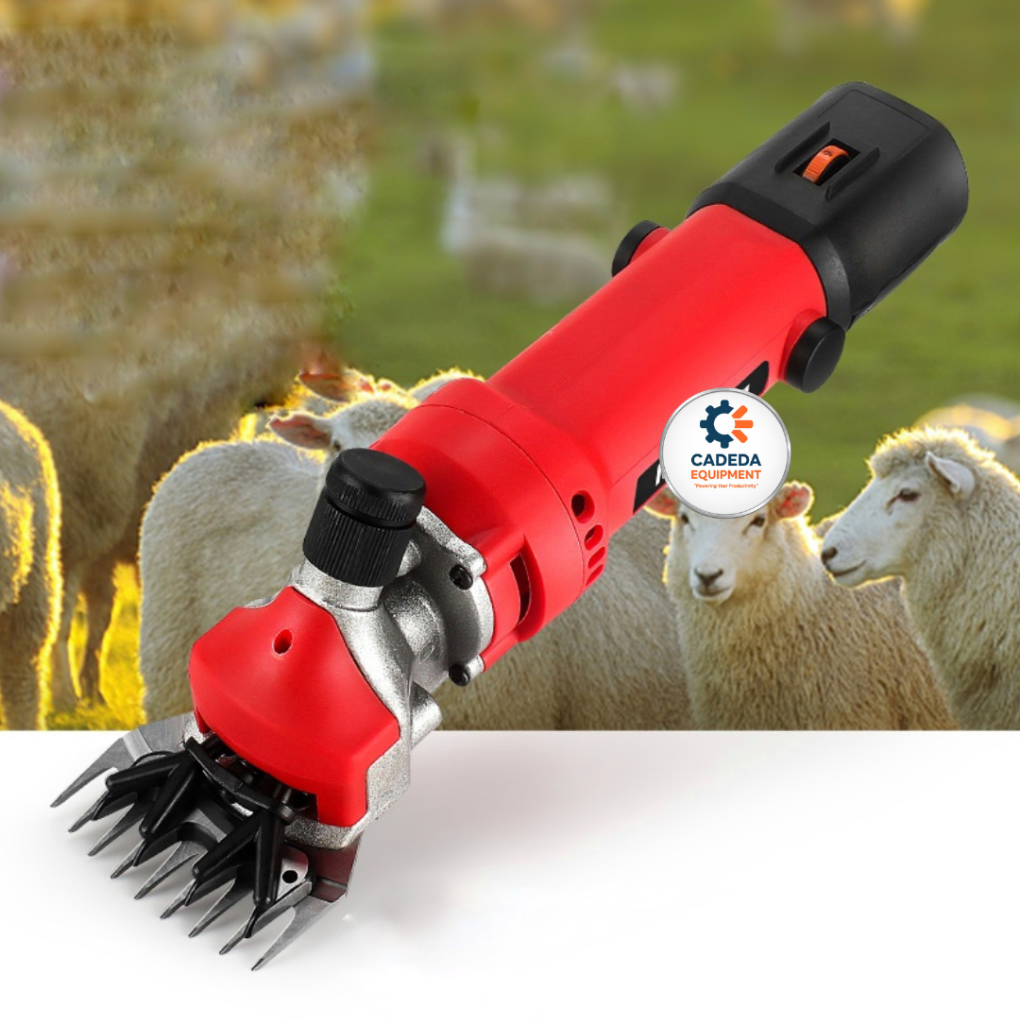
SPECIAL OFFER: Heavy Duty 850W Electric Sheep Clipper
Only KSh.15,000
Premium Features:⚡ 850W Powerful Motor – Handles thick wool effortlessly
🔧 Heavy Duty Construction – Built to last for years
🐑 Professional Grade – Perfect for small and large flocks
💪 Saves Time & Labour – Shear faster, work smarter
👨🌾 Easy to Use – Great for beginners and experienced farmers
Call 0723082610 to place your order now.
For more farming tips, livestock management advice and quality farm equipment, visit our website and follow us on social media. We’re here to support Kenyan farmers succeed.
